What is a Safety Standard-Compatible Product?

Teach Me Please! Ms. Ori

This column introduces the types of standards and the advantages of using standard-certified products.

  • Mr. Vex

    I'm stumped.…

  • Ms. Ori

    Hey Vex, what's wrong?

  • Mr. Vex

    Our customer is asking us if the product they are considering is compatible with safety standards or not…. First of all, what are standards?

Types of Standards

  • Ms. Ori

    There are various types of standards, such as those related to safety and EMC, and those related to the chemical substances contained in products, such as RoHS. They vary by country and region. For example, the EU's CE marking indicates that a product complies with all required EU standards, including safety, EMC, chemical substance content, and energy efficiency. However, China doesn't have a common mark like CE. China has a mandatory CCC system for safety-critical products and components, its own version of RoHS, and energy efficiency regulations.

    Marks for Each Safety Standard
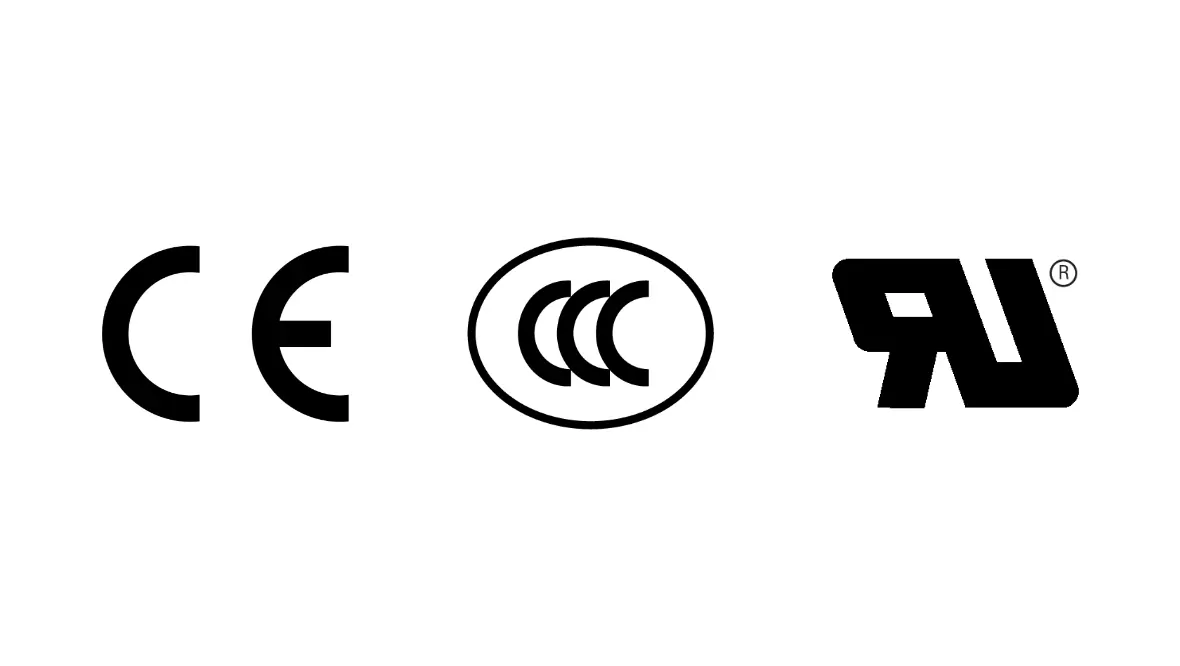
    Marks for Each Safety Standard
  • Mr. Vex

    I see. Can products that do not comply with the standards be used in that country or region?

Global Laws, Regulations and Standards

  • Ms. Ori

    In China, products have to comply with CCC, China RoHS, and all energy efficiency regulations.
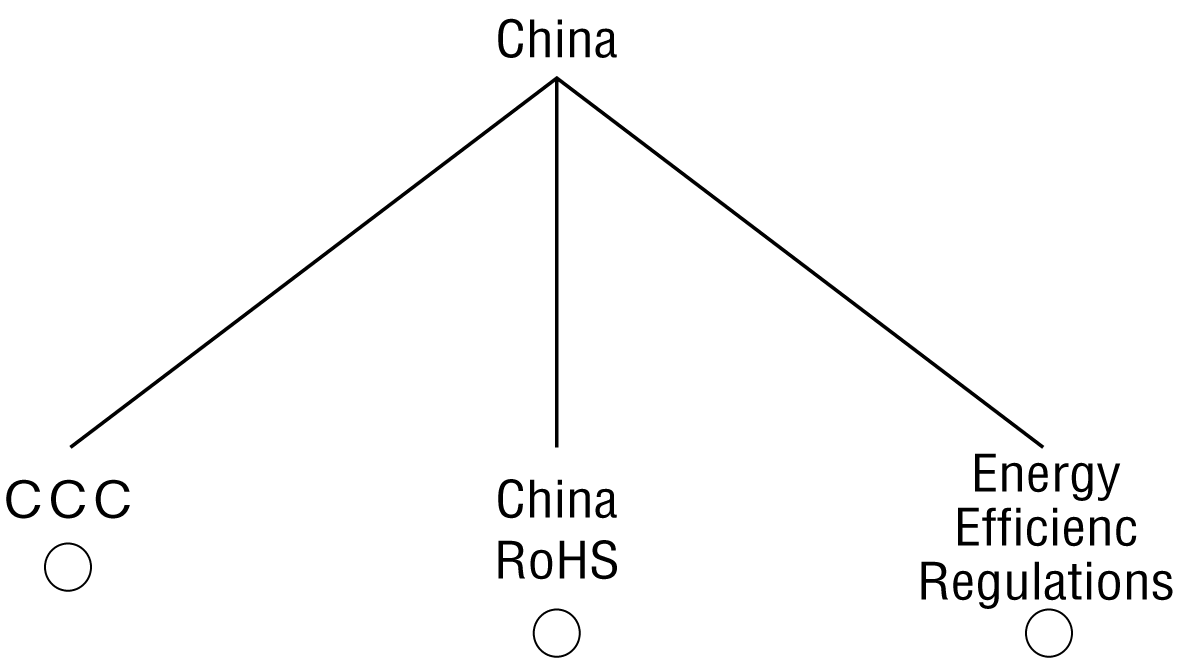
    Compliance with all CCC, China RoHS, and energy efficiency regulations is required
  • Mr. Vex

    I see.

  • Ms. Ori

    There are also optional standards, though. In the United States, the UL Mark is optional. However, it is common to use UL-certified products. If a fire or other incident occurs due to the use of a product that isn't UL-certified, the fire insurance company may not pay the insurance claim, so if the product does not conform to UL Standards, it is virtually impossible to sell the product.

  • Mr. Vex

    Even though it's optional, it means that UL-certified products are better. Is it only necessary to use standard-certified products for overseas?
    If a product is going to be used in Japan, is there any need to take standards into consideration?

  • Ms. Ori

    Japan also has similar laws and standards that products must comply with. For example, the Electrical Appliance and Material Safety Act (PSE Mark) applies to electrical appliances used in Japan. This applies to some of Oriental Motor's AC motors and fans, but they're all compatible, so no need to worry. For more information, see Global Laws, Regulations, and Standards.

  • Mr. Vex

    I'll check later!

Compliance with Laws, Regulations, and Standards

  • Ms. Ori

    In this way, laws and standards don't apply to all products. For example, the CCC system only applies to AC motors and low-speed synchronous motors sold by Oriental Motor. Our website also has a page listing information about Compliance with Laws, Regulations, and Standards of each series, so be sure to check it out.

AC Motors

Series EU/UK UK China United States of America Canada
CE RoHS UKCA CCC
Efficiency Regulations
UL Standards CSA Standards
World K Series Induction Motors
World K Series Reversible Motors
World K Series Electromagnetic Brake Motors
FPW Series

Compliance with Laws, Regulations, and Standards (Example)

  • Mr. Vex

    How convenient!

  • Ms. Ori

    You can also check if individual products comply with standards using documents such as the EU Declaration of Conformity. Documents related to standards can be downloaded from the data download page for each product. Check How to Download Data from the website's User Guide.

  • Mr. Vex

    We’ve discovered that standards exist both domestically and internationally, and that they make procedures smoother when exporting overseas and serve as evidence that the equipment and components are safe. I will inform to our customers, including our webpage.

Key Points of this Time

  • There are various types of standards, such as those related to safety and EMC, and those related to chemical substances in products, such as RoHS
  • Adhering to standards not only facilitates smooth procedures when exporting overseas, but also serves as proof that the product is safe